
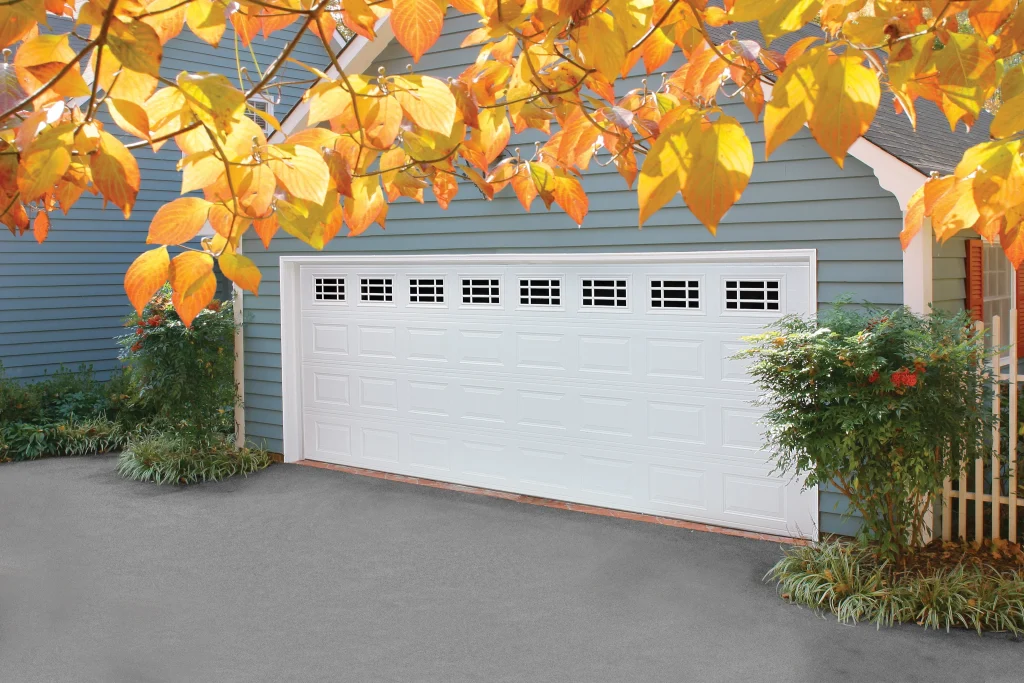
Florida garages face a daily double-hit: blazing sun outside and sticky moisture inside. That combo can warp panels, fade finishes, corrode hardware, and overwork openers. Garage door designs engineered for heat and humidity rely on insulated cores, UV-resistant coatings, and corrosion-ready parts so the door stays steady, quiet, and efficient through long summers and sudden thunderstorms.
This practical guide explains which materials perform best across coastal and inland zones, how insulation and perimeter seals cut heat transfer, and what simple inspection routines limit moisture damage. Expect practical tips on ventilation, color selection for solar gain, and hardware finishes that fight rust without constant upkeep. You’ll also see when targeted upgrades are enough versus full replacement, plus ways to protect tracks, springs, and rollers for smooth travel in every season Florida throws. Start by comparing Florida-ready styles in residential garage doors.
Why Heat and Humidity Punish Standard Doors
High temperatures expand panels and tracks, while humidity drives moisture into seams and unprotected steel. Over time, that can lead to:
- panel swelling or subtle bowing,
- peeling paint or faded finishes,
- rusty hinges, cables, and fasteners,
- noisy travel from worn rollers,
- opener strain from heavier, heat-expanded sections.
A Florida-engineered door focuses on resisting these forces before they damage performance.
For a wider view of the styles Florida homeowners are selecting next year, explore Top Residential Garage Door Designs This Coming 2026.
Materials That Perform Best in Florida
Galvanized or powder-coated steel: A top selection for strength and affordability. The protective finish slows corrosion, especially when rinsed in coastal zones.
Composite or fiberglass skins: These resist rust entirely and stay stable in humid air, making them ideal for barrier-island or waterfront homes.
Aluminum with reinforced framing: Lightweight for smooth lifting and naturally corrosion-resistant, but should include bracing for wind zones.
For a breakdown of how different garage door materials perform in various climates, The Spruce offers a detailed guide on common door types and their durability.
If storm performance is also on your upgrade list, read Wind-Rated Garage Door Designs Florida Homes Are Moving Toward.
Insulation That Lowers Solar Gain
Insulation isn’t only for cold climates. In Florida, it:
- reduces heat transfer into attached living spaces,
- stabilizes panel shape during temperature swings,
- quiets vibration during travel,
- helps openers operate with less strain.
“Sandwich” construction (steel–insulation–steel) delivers the best rigidity for both heat and wind pressure.
For connected upgrades that add security and everyday convenience, read Smart Garage Door Designs Built for Florida Security and Daily Comfort.
Seals and Ventilation That Control Moisture
Humidity sneaks in through gaps more than walls. Focus on:
- Full perimeter weather seals to block damp air and wind-driven rain.
- Bottom threshold seals that sit flat without daylight showing.
- Optional vented or screened sections for airflow in workshop garages.
Balanced ventilation prevents condensation without inviting pests.
Hardware and Finish Details That Last Longer
Small upgrades in parts make a big difference:
- stainless or coated hinges and brackets,
- nylon rollers for quieter travel,
- rust-resistant cables,
- UV-stable paint or faux-wood overlays for sun-heavy elevations.
These reduce corrosion cycles and keep alignment steady.
Simple Inspection Habits for Florida Conditions
A quick quarterly check keeps humidity damage from spreading:
- Inspect tracks for surface rust and clean debris.
- Check springs and cables for corrosion spots.
- Confirm rollers glide smoothly; reapply lubricant if movement sounds dry.
- Test the auto-reverse system for safe closing.
- Verify seals stay flexible and unbroken.
When Preventive Service Helps Most
Before peak summer storms, many homeowners schedule residential garage door service to confirm spring tension, track alignment, opener settings, and seal condition. Seasonal tuning keeps heat-expanded panels traveling evenly and reduces humidity-related wear.
Signs Humidity Has Started to Cause Damage
Watch for:
- Orange staining on hinges or fasteners
- Squealing, grinding, or rattling during travel
- Panels that sit unevenly when closed,
- Slow lifting or partial opening
- Seals are pulling away from the frame.
Catching these early avoids larger structural issues.
Repair That Restores Smooth, Secure Operation
When wear shows up, timely residential garage door repair can replace corroded parts, true the tracks, recalibrate springs, and restore quiet travel. Repair after early signs is usually simpler than waiting for a full failure.
Florida heat and humidity are relentless, but the right garage door design keeps your home comfortable and your system reliable. By selecting insulated construction, corrosion-ready materials, UV-stable finishes, and steady inspection, you protect both daily convenience and long-term value.
For homeowners considering whether to repair or upgrade, This Old House provides a detailed guide on modern garage door upgrades and performance improvements.
Dynamic Garage Doors helps Florida homeowners choose residential garage door designs engineered for heat, humidity, and coastal exposure while staying aligned with modern curb appeal. Our technicians assess your opening and recommend climate-ready options that remain stable through Florida weather cycles. To begin your upgrade plan, contact us for a professional assessment, or call us to discuss the best climate-engineered design for your home.
Frequently Asked Questions
Why do Florida heat and humidity matter for garage door design?
Florida’s climate combines high temperatures with persistent moisture, which can accelerate finish fading and surface corrosion. Climate-engineered doors reduce these effects over time.
Which garage door materials hold up best in Florida humidity?
Insulated steel, composite overlays, aluminum, and fiberglass are commonly favored. These materials resist moisture absorption and corrosion better than untreated surfaces. Choice depends on exposure level and home style.
Are composite garage doors effective for Florida homes?
Yes, composites resist swelling and warping in humid conditions. They also deliver a wood-style appearance without the climate strain of natural wood. This makes them popular for coastal and inland homes.
How does salt air affect garage doors near the coast?
Airborne salt accelerates corrosion on exposed metal surfaces. Coastal humidity keeps moisture active longer, increasing wear. Corrosion-resistant materials and coatings help reduce this risk.
Do insulated doors improve comfort in Florida garages?
Yes, insulation limits heat transfer into the garage. This supports steadier temperatures in attached homes. It also reduces humidity-related strain on interior spaces.
Are aluminum garage doors a strong choice in Florida?
Aluminum resists rust in humid coastal air. It also suits modern designs with glass inserts. In storm-prone areas, homeowners often choose impact-resistant configurations.
Why are UV-resistant finishes important in Florida?
Florida sun exposure is intense and frequent. UV-ready finishes help color stay consistent longer. This supports curb appeal without rapid fading.
Can climate-engineered designs still meet wind ratings?
Yes. Many climate-durable doors are also engineered for Florida design pressures. Homeowners often select doors that combine both priorities.
How do fiberglass doors perform in humid climates?
Fiberglass resists moisture absorption and does not corrode like metal. It also holds its finish tone well in sun-heavy regions. This makes it a strong humidity-ready option.
What is the biggest advantage of climate-engineered doors in Florida?
They reduce long-term fading, corrosion, and alignment drift. That leads to steadier daily operation across humid seasons. Homeowners gain resilience without sacrificing style.