
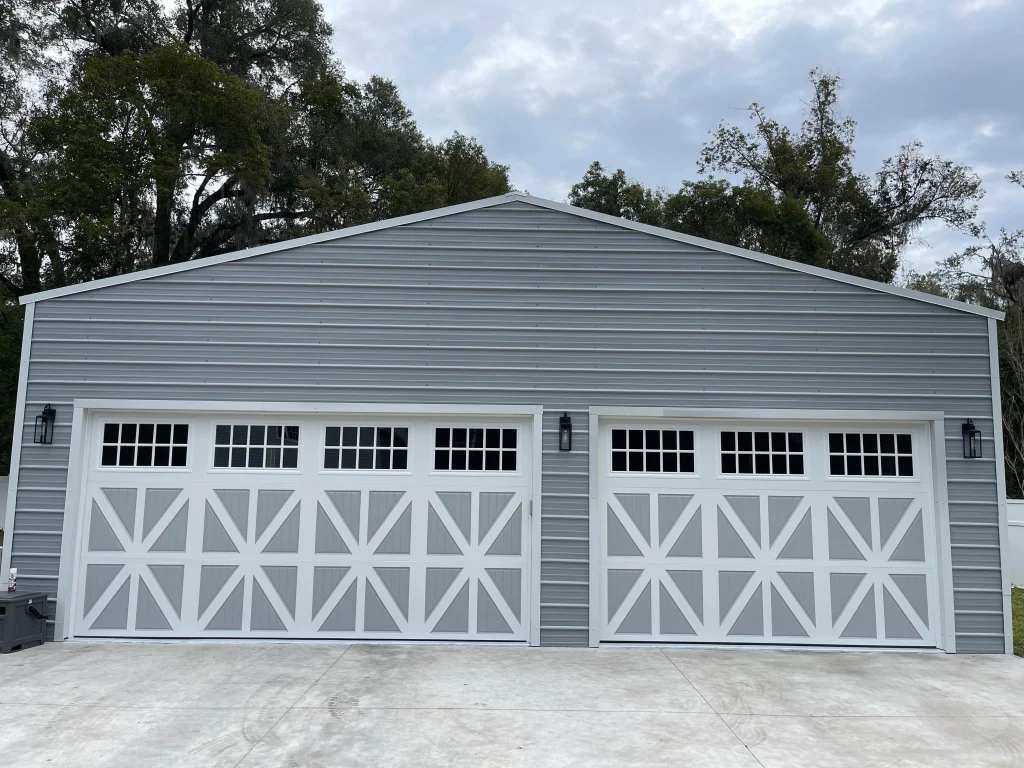
Florida hurricanes and summer squalls can turn a garage door into a weak spot in a hurry. When wind pressure rises, a standard door may flex, rattle, or fail at the corners. Wind-rated garage door designs are engineered with reinforced parts, heavier-gauge steel or composite skins, and upgraded tracks to keep your home secure during severe weather. Many models meet the Florida Building Code and Miami-Dade approvals, which can help save on insurance costs.
This practical guide breaks down wind ratings, design choices that suit Florida architecture, and simple inspection steps to confirm your door is storm-ready. You’ll also learn when preventive upgrades make sense versus complete replacement, plus tips for coastal corrosion and high humidity. Style matters too, and Florida homeowners often balance storm strength with curb appeal by starting with proven residential garage doors that match local wind zones for lasting coastal performance.
Why Wind Ratings Matter in Florida
Florida storms create two forces on a garage door: direct impact and suction that tries to pull the door outward. If the door buckles, wind can pressurize the garage, damaging the roof framing or adjoining walls. Wind-rated doors are tested for design pressure (DP) and, in many counties, must comply with the Florida Building Code. Coastal cities may also require Miami-Dade Notice of Acceptance (NOA) or similar approvals.
For more on the newest storm-ready styles gaining traction statewide, read Top Residential Garage Door Designs This Coming 2026.
How to Read a Wind Rating
- Design Pressure (DP): Listed as +DP/-DP. Higher numbers indicate greater resistance to both inward and outward loads.
- Exposure category: Your county zone map (coastal, inland, high-velocity hurricane zone) sets a minimum DP.
- Reinforcement level: Factory struts, heavy-duty hinges, and thicker tracks help maintain the panel’s shape during gusts.
A certified technician can confirm the required DP for your address and match it to a door that operates smoothly with the correct spring tension.
If you want upgraded safety plus everyday convenience, explore Smart Garage Door Designs Built for Florida Security and Daily Comfort.
Wind-Rated Designs Florida Homeowners Trust
- Reinforced steel carriage-house doors: Classic curb style with internal bracing for high DP needs.
- Composite or fiberglass panels: Excellent for salt-air neighborhoods because they resist rust and swelling.
- Insulated sandwich doors: A foam core between steel skins increases rigidity and reduces energy transfer.
- Contemporary flush or plank doors: Clean lines that fit coastal modern exteriors, available with wind-load upgrades.
To understand options explicitly built for Florida’s climate demands, visit Garage Door Designs Engineered for Florida’s Heat and Humidity.
Practical Checks Before You Select a New Door
- Inspect the opening: Measure width, height, headroom, and side clearance. Uneven framing can reduce wind performance.
- Check track gauge and brackets: Thicker tracks and reinforced jamb brackets are essential for higher DP doors.
- Verify spring pairing: Wind-rated doors weigh more, so the correct torsion size keeps the lifting balanced.
- Confirm corrosion protection: Galvanized or powder-coated parts hold up in humid, salty air.
- Request documentation: Ask for labels showing DP results and code approvals.
Before you commit to a new door, The Family Handyman shares expert tips on measuring openings, selecting materials, and comparing garage door designs.
Maintain Storm Readiness Year-Round
- Rinse door surfaces monthly in coastal areas to remove salt residue.
- Apply lubricant to rollers, hinges, and springs twice a year to keep them moving evenly.
- Tighten fasteners and replace worn bottom seals after major storms.
- Schedule an annual inspection to catch frayed cables or track misalignment early.
For more ideas on keeping your garage door ready for hurricane season, Bob Vila’s guide to storm-proofing garage doors walks through reinforcement and upgrade options for high-wind areas.
Residential Garage Door Service
Seasonal care keeps wind-rated systems performing at their tested level. Many Florida homeowners schedule residential garage door service before hurricane season to ensure the tracks are aligned, the springs are calibrated, and the weather seals close tightly against driving rain.
Signs You May Need Repair After a Storm
Even a strong door can take a hit when gusts peak. Watch for:
- Panels bowing or sitting unevenly
- Louder operation or grinding rollers
- Gaps along the bottom seal
- Slow lifting or a door that reverses mid-cycle
Addressing these issues promptly prevents more extensive structural damage.
Residential Garage Door Repair
If your door shows post-storm wear, prompt residential garage door repair restores safe operation and keeps your garage sealed. Reinforced parts, new tracks, or updated hinges can bring performance back to code-ready standards.
Choosing a wind-rated garage door is one of the smartest upgrades a Florida homeowner can make. By matching the proper DP to your ZIP code, selecting corrosion-resistant materials, and following routine inspection, you lower the chance of storm damage and unexpected failures.
Dynamic Garage Doors helps Florida homeowners select wind-rated residential garage door designs that fit local code tables, home style goals, and modern storm realities. Their technicians review your opening needs, confirm required approvals, and complete high-quality installation for dependable daily performance. To move forward, contact us for a professional assessment, or call us to discuss the right wind-rated design for your home.
Frequently Asked Questions
What makes a garage door wind-rated in Florida?
A wind-rated door is tested for its resistance to design pressure. It must meet both positive and negative pressure values. Florida approvals confirm the rating matches the code requirements.
Why are wind-rated designs more common for 2026?
Florida storms are stronger, and wind pressures are higher. Updated building standards require better opening performance. Homeowners want doors that reduce storm-season risk.
Do wind-rated doors always include impact glass?
Not always. Impact qualification applies mainly in wind-borne debris regions. If a door has glazing in those areas, the glazing must be impact-rated or protected.
How do homeowners know if their region needs impact ratings?
Debris region rules depend on county wind zones and exposure. HVHZ areas require the strictest standards. A professional confirms the correct approval level.
Are minimalist garage doors strong enough for Florida storms?
Yes, when they are wind-rated for the opening. Reinforcement is typically built into the structure. The clean exterior does not mean weaker performance.
Why are carriage styles still popular in Florida?
They fit well in coastal and transitional homes. Modern versions are cleaner and more refined. Many now meet Florida wind-rating expectations.
Can wind-rated doors reduce water entry in storms?
They cannot block major flooding, but stable doors reduce sudden gaps. This can lower wind-driven rain intrusion. Stability helps during pressure shifts.
Do inland Florida homes benefit from wind-rated designs?
Yes. Hurricane effects travel far inland. Wind pressure rules still apply by county and exposure. Rated doors reduce the risk of opening failure anywhere in the state.
What materials are most common in wind-rated doors?
Insulated steel and reinforced composite buildings are common. These materials hold shape under pressure. They also fit modern 2026 design preferences.
Why is design pressure matching important?
Design pressure matching ensures the door meets the actual wind demands of the opening. If the door rating is too low, failure risk rises. A professional verifies the correct rating for your home.