
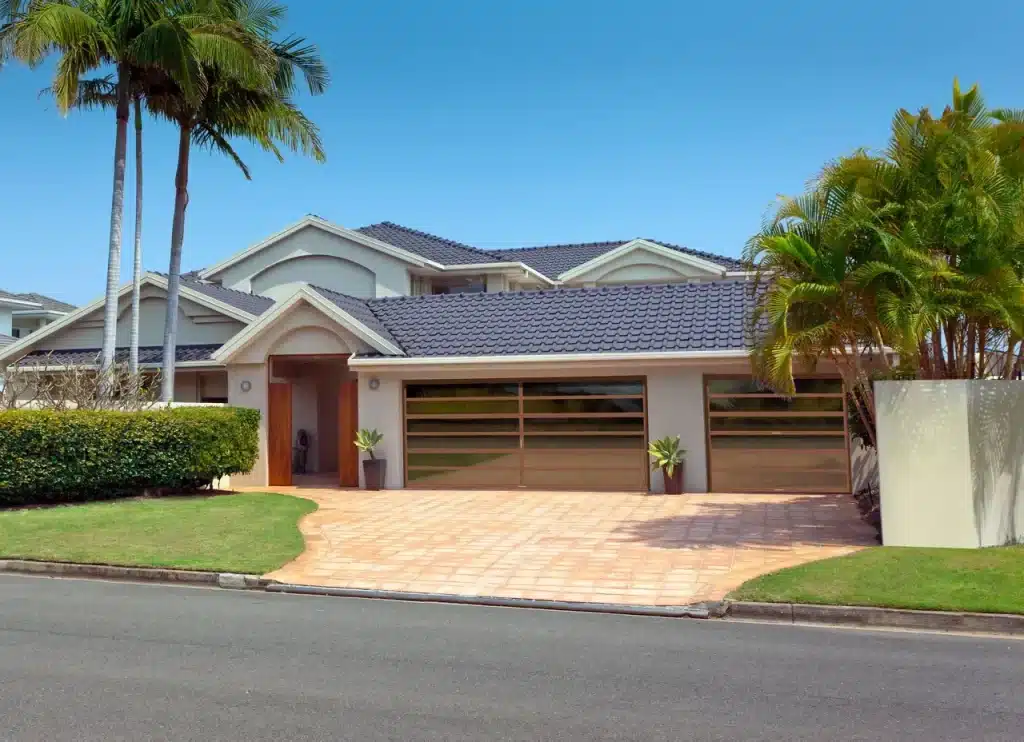
Florida homeowners are seeing hurricane seasons stretch longer and storms hit with more force. The garage door is often the largest moving opening on a home; its performance now plays a bigger role in protecting the entire structure. A door that used to feel “good enough” can flex or fail under today’s sharper design-pressure shifts, allowing wind and water to push inside right when your home needs the most defense. That reality is why storm-rated door systems are no longer optional upgrades in Florida—they’re quickly becoming the standard.
A storm-rated system is engineered and tested for the exact wind-load and impact requirements of your area. It pairs reinforced panels, heavy-duty tracks, secure hardware, and tight sealing to keep the door aligned, locked in place, and resistant to intrusion during extreme weather. Beyond storm protection, these systems also deliver smoother, quieter operation and dependable performance year-round.
Why Storm-Rated Doors Are Now Standard Across Florida
Florida building requirements keep tightening around wind exposure and design pressure, especially for large openings like garages. The state has seen too many cases in which a single door failure triggered more extensive structural damage. As wind maps update and local enforcement becomes stricter, storm-rated doors are moving from “upgrade” to an expected baseline in many counties. This shift is just as critical for businesses as it is for homeowners, which is why commercial garage door repair and reinforcement services are becoming a necessary part of storm readiness—helping warehouses, storefronts, and service facilities keep large doors compliant, secure, and operational under higher wind demands.
For homeowners, the shift is practical. A storm-rated door is built to match your neighborhood’s wind reality, not a generic national average.
If you want to understand how rolling steel options fit into these changing conditions, read “What Makes Rolling Steel Doors a Smart Choice as Weather Conditions Shift?” to get the full breakdown.
What “Storm-Rated” Means In Real Terms
Storm-rated is not a marketing label. It refers to a door system tested to handle both positive and negative pressure without pulling from tracks or folding inward. Key traits include:
- Reinforced panels or slats rated for a specific design pressure.
- Heavy-duty tracks and brackets that keep the door seated under gusts.
- Stronger hinges, rollers, and fasteners that resist shifting.
- Bottom bar reinforcement plus perimeter seals to limit wind-driven rain.
- A label showing model, pressure rating, and required installation method.
If any of these parts are weak, the whole system loses rating value.
If you want a clearer understanding of why today’s weather makes these details non-negotiable, read “Florida’s Stronger Storms Are Raising the Stakes for Door Security.”
How A Garage Door Failure Raises Whole-Home Risk
When wind forces a garage door inward or outward, the air pressure inside the garage surges. That pressure pushes up on the roof deck and outward on walls, increasing the chance of roof loss and interior damage. Even partial door flex can create leakage, which can build internal pressure over time.
So a storm-rated door is not only about protecting stored items; it helps maintain the home’s full wind-resistance path.
To understand why these systems are rapidly becoming the statewide standard, don’t miss “Why Storm-Rated Door Systems Are Becoming the New Normal in Florida.”
How To Check If Your Current Door Is Storm-Rated
You can do a quick check before scheduling garage door service:
- Inspect the inside face of the door for a permanent rating label.
- Check for positive and negative design pressure values in PSF.
- Review whether the tracks and brackets match the door’s rating.
- Note any missing reinforcement struts or loose anchors.
- Confirm the opener includes a secure locking setup.
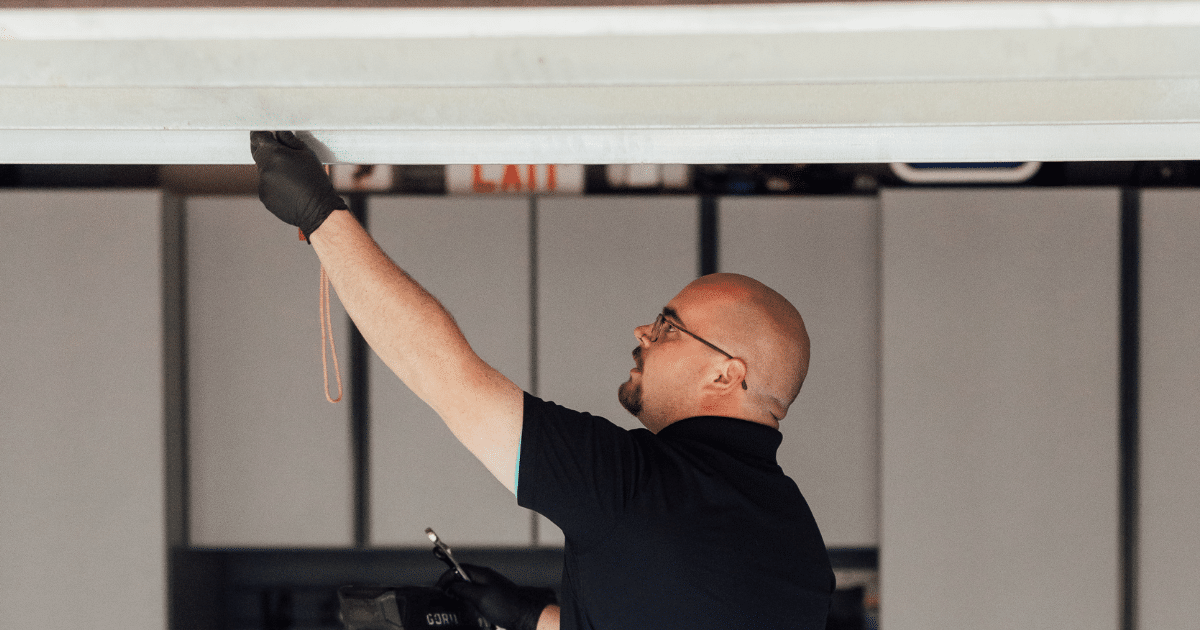
If the label is missing or unreadable, a professional inspection is the safest way to confirm rating status.
What Field Research And Florida Code Reveal
Post-storm evidence shows why Florida treats garage doors as high-priority openings. The BHS post-storm field studies found that homes with damaged garage doors were far more likely also to suffer structural roof damage, while intact doors correlated with stronger roof performance.
At the same time, Florida code lays out garage door wind-load tables tied to door size, exposure, and local design wind speed. The takeaway is simple: if your door is not rated for your opening and zone, the risk is built in.
Choosing The Right Storm-Rated System For Your Home
Start with the rating, then build the system around it:
- Confirm your county wind zone and required design pressure.
- Select a door whose rating meets or exceeds that pressure.
- Choose reinforced tracks and brackets designed for the same rating.
- Add insulation if you want a steadier garage temperature and less humidity swing.
- Select corrosion-resistant hardware if you live near salt air.
- Ensure the opener matches the door weight and supports secure locking.
A matched system performs better than mixing strong panels with light tracks.
Preventive Steps Before Hurricane Season
Storm-rated doors stay reliable longer with basic seasonal care:
- Inspect tracks for bending, rust, or loosened anchors.
- Check rollers and hinges for wear that may cause misalignment.
- Replace cracked perimeter seals to reduce seepage.
- Use a silicone-based lubricant on springs and guides for smooth travel.
- Test auto-reverse and manual release on motorized doors.
These checks take little time but protect the rating you paid for.
Cost Value For Florida Homeowners
Storm-rated doors cost more upfront than standard models, yet they often reduce long-term expenses by limiting structural damage, lowering water intrusion, and holding alignment through repeated storm seasons. Many homeowners also value the daily security boost that comes with stronger panels and hardware.
In a state where wind events are routine, the return is resilience you can count on.
Dynamic Garage Doors serves Florida homeowners with storm-rated garage door systems built for real wind zones, coastal corrosion, and heavy rain seasons. Our technicians verify your required design pressure, select a matched door-and-track package, and complete installation to code so your home has reliable protection where it matters most.
If you are unsure whether your current door meets today’s standards, contact us or give us a call to schedule an inspection. We will help you choose a storm-rated upgrade that fits your opening, budget, and Florida’s new normal.
Frequently Asked Questions
Why are storm-rated doors becoming common in Florida?
Storms are stronger, and building codes require higher performance under higher pressure. Owners want openings that resist failure. Rated systems match modern risk levels.
What does design pressure mean for doors?
Design pressure is the measured wind force an opening must resist. Florida code tables set values by county and opening size. Doors must meet those targets.
How do rolling steel doors meet storm ratings?
Their interlocking slats spread wind load across the curtain. Reinforced guides keep the door seated during gust cycles. Many models qualify for HVHZ approvals.
Do storm-rated doors help with flooding?
They do not replace floodplain rules, but they reduce avoidable gaps during wind-driven rain. A stable door lowers water entry during shallow flood events. This supports storm resilience.
What is HVHZ approval?
HVHZ stands for High Velocity Hurricane Zone. Doors with HVHZ approvals meet strict wind and debris resistance standards for Miami-Dade and Broward counties. These are Florida’s highest opening ratings.
Why are garages vulnerable during storms?
Garages sit low and have wide openings. Wind pressure targets these areas strongly. Floodwater also often enters garages first.
Are storm-rated doors only for coastal areas?
No. Inland areas still face severe gusts and heavy rain. Wind rules apply statewide based on exposure and county wind speeds.
How does wind-driven rain affect doors?
Sideways rain can push through seams during pressure events. Standard doors are not sealed for extreme gust loads. Rated systems resist deflection better.
When should a door rating be reviewed?
After major storms, renovations, or updates to local wind standards, many older doors do not match today’s pressure targets. A professional evaluation confirms compliance.
Dynamic Garage Doors
1404 Yorktown St, DeLand, FL 32724, United States
+13526151294