
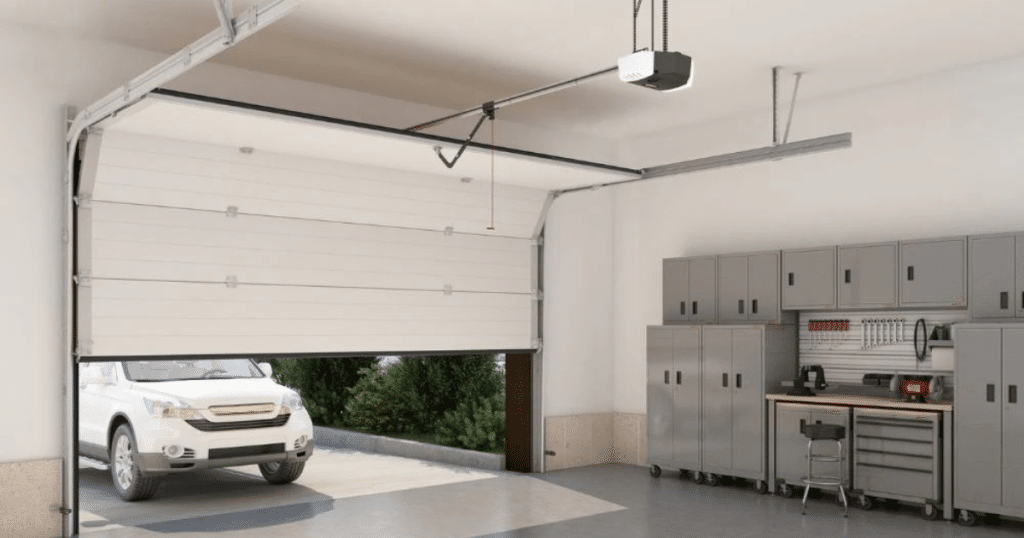
Florida weather keeps shifting toward hotter summers, sudden cloudbursts, and stronger wind events. For many homeowners, the garage is the largest opening on the home, so its door becomes a frontline defense. When rain drives sideways and gusts spike, a weak door can flex, leak, or fail, letting water and debris into storage areas and attached living spaces. That is why rolling steel doors are gaining attention across the state. It is a practical upgrade for Florida’s fast-changing seasons.
A rolling steel door rises as a single, interlocking steel curtain that coils neatly overhead. With fewer seams, hinges, and exposed parts than sectional designs, it creates a tighter barrier against wind pressure and wind-driven rain. The compact roll-up system also frees ceiling space for storage, and durable finishes resist heat, humidity, and coastal salt air, reducing corrosion over time.
Why Florida’s Shifting Weather Makes Garage Doors a Priority
Homeowners are noticing weather patterns that are pushing garage doors harder than before. Intense rain bursts can drive water sideways into openings. Tropical systems bring wind pressure that tests tracks, fasteners, and curtain strength. Long heat waves expand materials and dry out seals. In coastal areas, salt air speeds up corrosion on exposed parts.
Because the garage opening is often the most significant exterior gap in the home, door performance matters more than many homeowners realize. If the residential garage door fails during a storm, wind and water can rush inside, raising the risk of structural damage and costly cleanup. Wind-rated, professionally installed doors help lower that risk.
If you want a deeper breakdown of how these changes are affecting home safety, read Florida’s Stronger Storms Are Raising the Stakes for Door Security.
What a Rolling Steel Door Does Better in Storm Conditions
Rolling steel doors use interlocking steel slats that travel along sturdy guides and coil tightly overhead. That setup brings real advantages in Florida conditions.
Fewer Vulnerable Parts
Sectional doors rely on panels, hinges, and multiple joints. Each joint can loosen over time, creating a path for wind or water. A rolling steel curtain moves as a single unit, so there are fewer places for failure to start, and fewer seams where water can collect.
Stronger Wind Stability
Wind-rated garage doors are built to meet Florida wind code requirements, which focus on design pressure and how a door withstands pushing and pulling forces. Rolling steel doors can be ordered with reinforced guides and heavier bottom bars that help the curtain stay aligned during gusts, lowering the risk of blowout.
Better Water Management
Florida rain often arrives in sheets. The continuous curtain design reduces tiny gaps between panels, while upgraded perimeter seals help block puddling at the floor and splashback from driveways. For homes in low-lying neighborhoods, that tighter contact can be a practical advantage.
For more practical context on why wind-rated upgrades matter statewide, read Storm-Rated Door Systems Are Becoming Florida’s New Normal.
Heat, Humidity, and Salt Air: Quiet Threats Rolling Steel Handles Well
Storms are obvious, but daily climate wear also shortens door life.
Heat Expansion Without Warping
Steel expands and contracts evenly, and a rolling curtain does so as a single surface. That consistency helps the door stay square in its opening, maintain smooth travel, and avoid bowing that can damage seals.
Humidity-Ready Finishes
High-quality rolling steel doors use galvanization and baked-on coatings that resist rust, blistering, and UV fade. Coastal homeowners should select hardware and finishes rated for marine environments to slow corrosion on tracks, brackets, and fasteners.
To understand why wind-rated systems are now a statewide standard, read Why Storm-Rated Door Systems Are Becoming the New Normal in Florida.
Features Florida Homeowners Should Select
Rolling steel doors differ in insulation, wind ratings, and finishes. It helps to compare door styles and materials side by side using a trusted buying guide. Also, keep regional forecasts in mind when selecting wind-rated systems. NOAA predicts an above-normal Atlantic hurricane season, which reinforces the value of reinforced doors and hardware.
Key upgrades to select for Florida homes include:
- Wind-load rating that meets or exceeds the local code for your exposure zone.
- Insulated curtain for improved temperature control and better comfort in attached garages.
- High-cycle spring system designed for frequent open-and-close use.
- Reinforced bottom bar with durable floor and jamb seals to reduce seepage.
- Corrosion-resistant guides, brackets, and fasteners for salt-air regions.
How Rolling Steel Compares to Other Door Types
Homeowners often ask whether rolling steel is “too commercial” for a residence. Functionally, it fits residential needs when weather durability is a priority.
Here’s how it stacks up:
- Versus basic sectional steel doors, rolling steel usually offers stronger curtain continuity and fewer seam gaps.
- Versus impact-rated sectional doors, both can be wind-code compliant, but rolling steel often delivers better overhead space efficiency and a more rugged guide system.
- Versus wood doors, rolling steel is far less sensitive to humidity and heat movement.
If your primary goals are storm resilience, long service life, and tight sealing, rolling steel is often the more practical path.
A Simple Way to Select the Right Rolling Steel Door
Use this step-by-step approach before ordering:
- Check your wind zone and local code, since your county requirements determine the minimum design pressure your door must meet.
- Measure the opening and headroom, because rolling steel doors need space for a coil above the opening and solid mounting points.
- Decide on insulation needs, especially if your garage is attached, used as a workshop, or stores temperature-sensitive items.
- Select corrosion protection if you’re near the coast, since stainless or coated parts extend service life.
- Choose an opener rated for the curtain weight, because rolling steel doors are heavier than many sectional doors.
- Confirm warranty coverage for wind performance and surface finish, since these terms matter most in harsh Florida climates.
Practical Scenarios Where Rolling Steel Shines
Rolling steel doors are beneficial for:
- Coastal homes that are constantly exposed to salt.
- Garages in flood-prone neighborhoods need tighter sealing.
- Homes with limited ceiling space, where a compact coil frees room for storage.
- Rental properties where durability lowers garage door service calls and downtime.
Maintenance Tips for Long-Term Performance
Even strong doors need routine checking in Florida:
- Schedule a preventive inspection before hurricane season.
- Check seals for cracking or flattening and replace as needed.
- Clean guides to remove sand, leaves, and grit.
- Apply a silicone-based lubricant to springs and guide surfaces to keep travel smooth.
- Test auto-reverse and manual release on motorized systems.
These habits help the door stay reliable when wind and water arrive.
Cost and Value for Florida Homes
Rolling steel doors can cost more upfront than basic sectional doors, but they often deliver better long-term value through:
- Reduced storm repair risk.
- Longer service life in heat and humidity.
- Potential insurance advantages tied to wind-rated installs.
- Improved security and neat exterior design.
For many homeowners, the durability savings over time outweigh the initial installation price.
Dynamic Garage Doors serves Florida homeowners with rolling steel door solutions built for shifting coastal conditions. Our professionals help you select a wind-rated, corrosion-resistant model that fits your garage opening, budget, and neighborhood code requirements. From measurement to installation, we focus on reliable performance, secure sealing, and long-term value you can feel during every storm season.
If you’re ready to upgrade for changing weather, contact us today or give us a call to schedule a preventive inspection and get a personalized recommendation. We’ll help you secure your garage and keep your home protected year-round.
Frequently Asked Questions
Do rolling steel doors completely stop flooding?
No door alone can entirely block major floodwaters. However, storm-rated rolling steel doors help reduce the risk of breaches and gaps during wind-driven rain. They work best as part of a broader professional flood strategy.
How do flood risks connect to wind ratings?
Wind failure can open a path for water indoors. When doors remain stable under pressure, the risk of a sudden opening breach is reduced. This supports both wind and water resilience.
What does storm-rated mean for a door in Florida?
Storm-rated doors pass design pressure testing and may pass debris impact testing. Florida and HVHZ approvals verify performance under hurricane conditions. The rating must match the opening’s pressure requirement.
Why are garages highlighted in flood guidance?
Garages often sit below living areas and near grade level. Water can enter quickly through the door opening. Flood guidelines focus on controlling water movement through these spaces.
Are rolling steel doors useful for commercial properties?
Yes, they are widely used for high-cycle commercial openings. Their curtain design meets high wind ratings near the coast. Many are built for Florida code pressure targets.
What is HVHZ approval?
HVHZ approvals confirm doors passed strict wind and debris standards. These rules apply in Miami-Dade and Broward counties. HVHZ doors meet Florida’s highest opening expectations.
How does corrosion affect storm performance?
Salt air can weaken door parts over time. Coated and galvanized steel helps resist corrosion. Professional inspection keeps protective layers stable.
Why are large openings more vulnerable in storms?
Larger doors face higher wind and water pressure. If that opening fails, internal pressure and water intrusion rise fast. Stronger-rated doors lower the failure risk.
When should door ratings be reviewed?
After major storms, renovations, or code updates, wind pressures in Florida have increased. A professional review confirms ongoing compliance.
Dynamic Garage Doors
1404 Yorktown St, DeLand, FL 32724, United States
+13526151294