
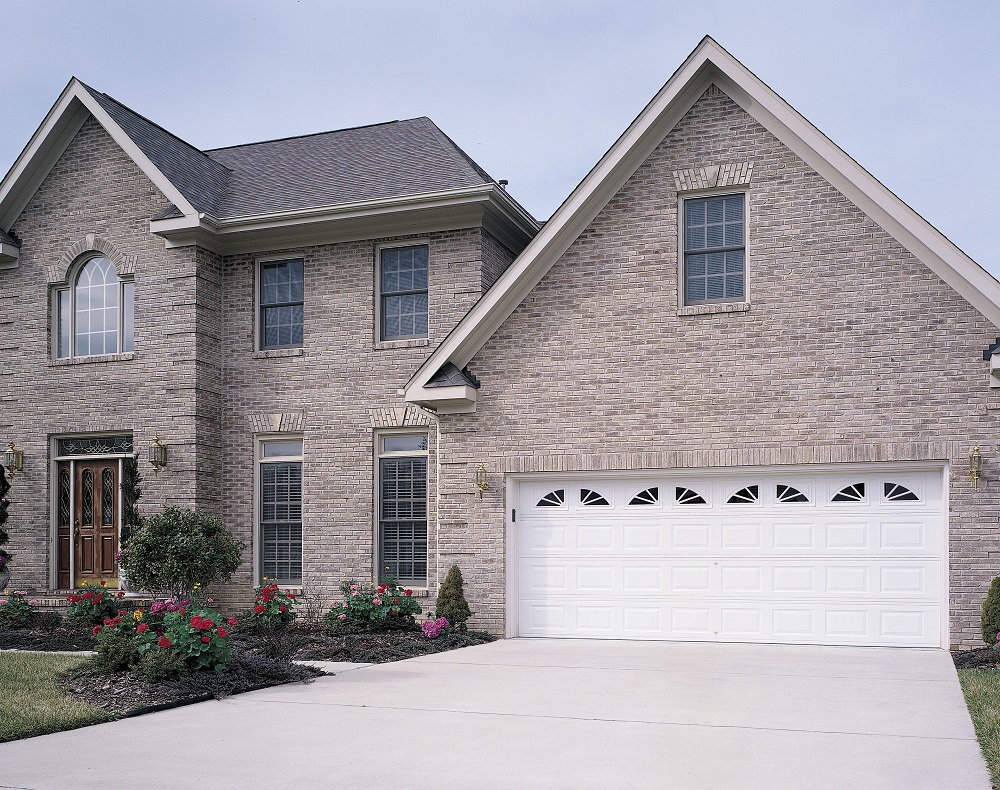
Florida is known for warmth and humidity, but every year, there are days when the temperature drops enough for homes to feel very different. Short cold spells can make rooms drafty, highlight insulation weaknesses, and create conditions your home does not experience the rest of the year. For many homeowners, those days also reveal which doors, windows, and exterior areas are ready for seasonal changes.
Because the garage often connects directly to living spaces, colder weather affects comfort, safety, and daily routines around that entry. The way your roof, walls, and residential garage doors respond to Florida’s colder mornings can tell you a lot about how your whole property is performing, especially when you start connecting those signs into a bigger, Florida-specific picture.
How Florida’s Colder Months Really Feel For Homeowners
Colder weather in Florida usually arrives as short bursts rather than long winters. A front moves through, temperatures drop quickly overnight, and early mornings suddenly feel much cooler than the day before. Inside the home, that can mean chilly tile floors, cooler air near windows, and rooms that feel uneven from one area to another.
Attached garages and large exterior doors are part of this experience. The air in a garage can cool faster than the rest of the home, especially if the door is older or not sealing tightly. That cooler air can seep into nearby rooms, making them less comfortable and forcing heating systems to cycle more often. These changes are easier to notice in homes with rooms built directly over or beside the garage.
Even if the colder period lasts only a few days, repeating that pattern year after year can affect your doors, seals, and mechanical systems.
To understand how those same mornings influence your door hardware and springs, read How Cold Weather Affects Your Garage Door Springs after you finish this guide so you can connect whole-house changes with what happens at the garage.
Key Areas Of A Florida Home That React To Colder Weather
Different parts of a Florida home respond to colder air in various ways. Some changes are mostly about comfort, while others are about wear on building materials and moving parts. Paying attention to a few key areas during a cold spell can help you decide when to schedule a professional inspection or maintenance visit.
Common areas that react to colder weather include:
- Windows and exterior doors
Glass and frames can contract slightly, allowing drafts to form around seals. Older weatherstripping may not press as tightly against the frames, allowing cool air to enter living spaces more easily. - Roofing and attic spaces
Cold, dry air can interact with existing roof wear, especially after an active hurricane season. Temperature swings between the attic and living spaces may indicate thin or uneven insulation. - Garages and interior-adjacent rooms
Garages often have more gaps in doors and walls. When these spaces cool rapidly, nearby rooms can feel colder, especially over the garage ceiling. A timely garage door service visit can help ensure the door seals and operates properly during these shifts. - Plumbing near exterior walls
In rare strong cold events, pipes near exterior walls or in unheated areas can experience lower temperatures than usual. While freezing is less common than in northern states, Florida homes are often less insulated against extreme cold. - Outdoor structures and landscaping
Patios, screened rooms, and plantings near the house can show the first signs of cold, such as frost on surfaces or damage to sensitive plants.
These areas respond differently as the year moves from warm to mild to cool and back again, so to understand how colder days fit into the full annual pattern, follow this article with How Seasonal Weather Changes Affect Florida Residential Properties for a season-by-season view.
Why Garages Matter More Than You Think In Cool Weather
For many Florida households, the garage is the main way in and out of the home. It is also frequently used for storage, hobbies, and laundry. When temperatures drop, conditions in this space can change quickly, and those changes can affect indoor comfort and safety more than many homeowners realize.
A garage with gaps at the door or worn seals can allow cold air to collect and linger. If there is a bedroom over the garage, that room may feel cooler or draftier during these spells. If the door opener or springs are already worn, the combination of cooler air and daily cycles can reveal problems, such as noise, hesitation, or difficulty opening.
When early signs appear, such as louder operation or a door that does not travel as smoothly as before, working with a professional for garage door repair helps prevent minor wear from turning into a complete breakdown.
If you would like to know how repeated cool seasons slowly change garage door hardware, springs, and seals over many years, finish this article and then explore The Long Term Impact Of Cooler Weather On Florida Garage Door Systems for a deeper look at long-range effects.
Florida-Cold Versus Northern-Cold: What Really Changes At Home
Florida’s colder weather is short compared with northern winters, but the way homes are designed makes those short spells important. Houses in warm climates often have lighter insulation, more windows, and features intended for ventilation and shade, rather than for long periods of cold.
This difference becomes clear when you compare typical conditions.
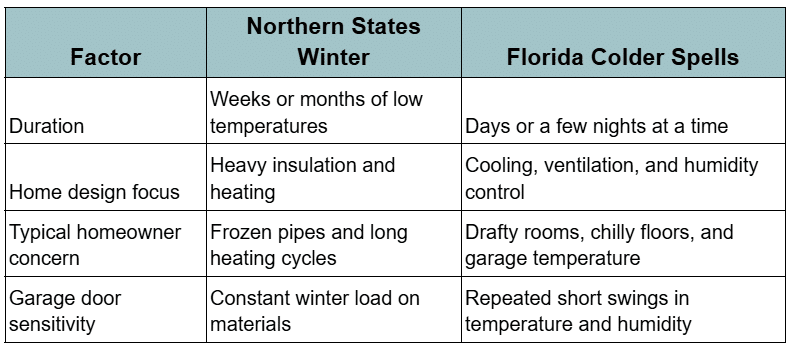
Even though Florida does not experience long stretches of snow and ice, homes still experience repeated shifts between warm and cool conditions. That pattern can highlight weak seals, aging materials, and worn mechanical parts in ways that matter for comfort and safety.
Energy, Comfort, And Home Systems During Cold Spells
Short cold periods can make small air leaks and insulation gaps feel much larger than they did during mild weather. Cool air that enters through door frames, window edges, and the garage can make heating systems run more often, especially early in the morning and late at night.
National guidance on home efficiency explains that sealing gaps in a home’s exterior can improve comfort and help heating and cooling systems work more efficiently. That idea applies directly in Florida, where a well-sealed home handles both summer heat and winter chill more effectively.
In many cases, the average cost depends on the home’s size, current insulation levels, and the number of areas that need attention. Working with qualified professionals to evaluate air sealing and insulation ensures that upgrades support both cooling and heating needs without creating ventilation problems.
Even in a warm climate, it is often helpful to think of the home as a connected system. What affects air movement and comfort in the garage, attic, or front entry will eventually influence the rooms where your family spends the most time.
The U.S. Department of Energy explains how air sealing around windows, doors, and other openings reduces drafts and energy use, which fits closely with what Florida homeowners experience during short cold spells.
Planning For The Next Cold Season In Florida
Colder weather is less frequent in Florida, which makes it easy to forget about it once temperatures climb again. Planning closes that gap so each year feels a little more comfortable and a little less surprising when the next cold front arrives.
Extension programs in Florida highlight how preparing for unusual cold events helps families protect both property and routines, from interior spaces to outdoor areas. Thinking about your home right after a cold spell is often the best time to note which rooms felt uncomfortable, which doors seemed drafty, and which systems, such as the garage door, sounded different under colder conditions.
When you write those observations down and bring them to a trusted technician or home professional, it becomes easier to plan inspections, upgrades, or repairs during milder months. Over time, this preventive mindset supports a home that responds more smoothly to every season Florida sends your way, whether that means summer thunderstorms or the next chilly morning when you pull out of the garage before sunrise.
Florida’s colder weather may show up only in short bursts, but those days can reveal a lot about how your home truly performs. Cooler air highlights drafts, uneven temperatures, and mechanical wear in places such as windows, doors, and garages, especially when those areas have aged through years of heat, humidity, and seasonal fronts. When you understand how each part of the home behaves, you can plan smarter inspections and adjustments rather than reacting to surprises.
When you are ready to have a professional evaluate how your garage door and related parts are handling Florida’s changing seasons, Dynamic Garage Doors can help with inspections, balancing, and reliable access solutions that support your day-to-day routine. Contact us or give us a call to request an appointment and discuss your concerns with an experienced technician.
Frequently Asked Questions
Which part of my Florida home is most sensitive to colder air?
Areas near large exterior openings, such as garages, sliding doors, and older windows, are usually most sensitive. Rooms above or beside the garage often show temperature changes quickly because that space cools faster than the main living areas.
Can brief cold snaps really change my energy use?
Yes. Even a few cold mornings can increase heater run time if there are gaps around doors or windows. When cold air enters easily, your system must work harder to keep rooms comfortable, which can raise energy use more than you might expect.
Why do some rooms feel much colder than others in my house?
Rooms feel colder when the insulation is thin, air leaks are present, or they are built over unconditioned spaces such as garages. We often hear about temperature differences where the building design and seasonal weather patterns do not match as well as they could.
Does colder weather affect garage doors differently from front doors?
Garage doors cover a larger opening and usually have more moving parts. When temperatures drop, those parts can contract, and any existing wear becomes more obvious. This can affect how well the door seals and how smoothly it opens and closes.
Should I be worried about pipes freezing in Florida?
Most Florida homes are not built for extreme cold, but pipe issues are still rare. Concern rises during strong cold events, especially for pipes near exterior walls or in unheated spaces. We recommend asking a local professional if your home has any higher-risk areas.
How can I tell if cooler weather is affecting my insulation?
If certain rooms cool down much faster than others or never feel as comfortable during cold mornings, that can suggest insulation gaps. Drafts, chilly floors, and persistent temperature differences are common signs that a professional should check insulation and air sealing.
Does colder weather change indoor humidity in Florida homes?
Yes. Colder outside air often holds less moisture. When that air enters the home, indoor humidity can drop, making some residents feel cooler at the same temperature. Doors, windows, and garages play a significant role in how much air moves in.
Is it better to wait until winter is over before calling for help?
We encourage homeowners to reach out when issues are fresh in their minds. Calling soon after you notice drafts, noise, or garage concerns makes it easier to describe the problem and plan service while the conditions that revealed it are still present.
What is the first step if I notice new drafts during a cold spell?
Make a quick list of where you feel drafts, when they are strongest, and which rooms are affected. Share those notes with a trusted home or garage door professional so they can focus their inspection on the most critical areas first.